
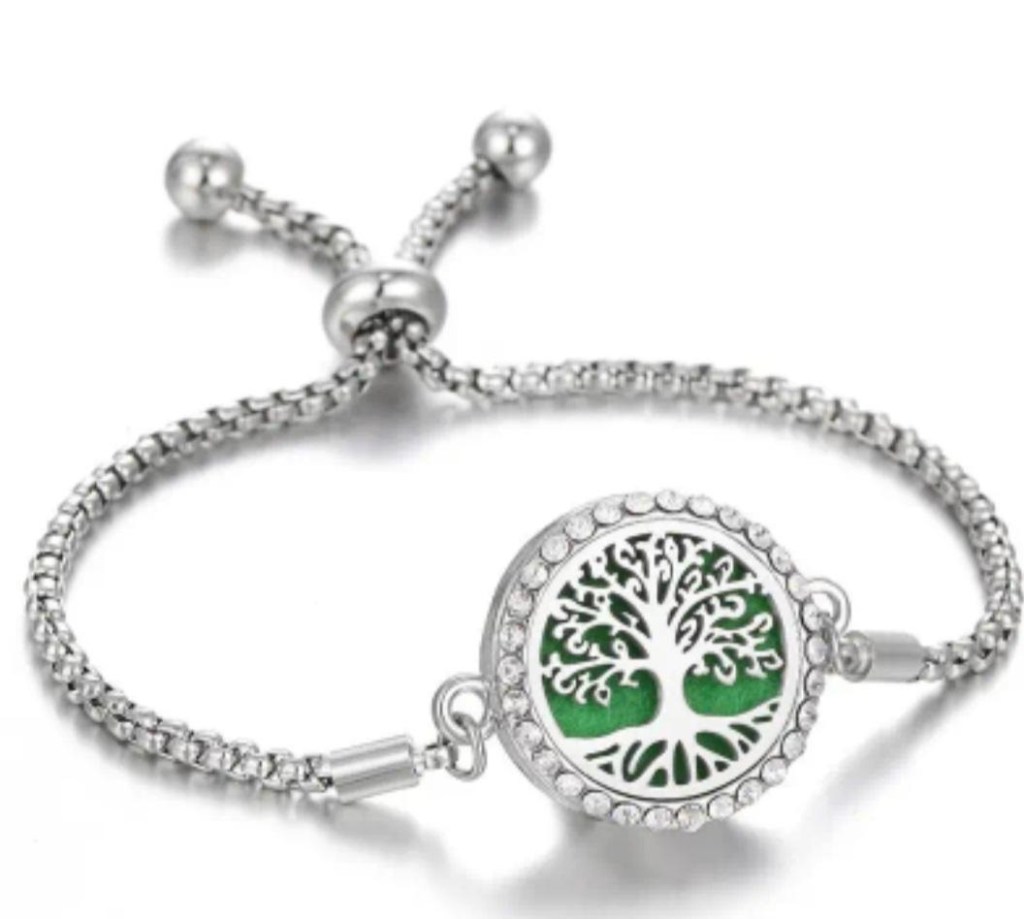
The purpose of memorial art is to honour and remember the lives and achievements of the deceased, and to express the emotions and values of the living. Memorial art can take various forms, such as sculptures, statues, fountains, parks, or buildings, and can be found in different settings, such as cemeteries, public spaces, or private homes. Memorial art can also serve as a reminder of the mortality of humankind, a symbol of collective identity, or a source of inspiration and consolation.
Some of the factors that influence the development and style of memorial art are:
- The culture and religion of the people who create and view the memorial art. Different cultures and religions have different beliefs and practices regarding death, burial, and the afterlife, which may affect the choice of materials, forms, and symbols of the memorial art. For example, some religions, like Buddhism and Hinduism, encourage or allow cremation, while others, such as Judaism and Islam, forbid it1. Some cultures, such as ancient Egypt and China, place great importance on preserving the body and providing grave goods for the deceased, while others, such as ancient Greece and Rome, focus more on erecting monuments and inscriptions for the deceased1.
- The historical and political context of the time and place where the memorial art is made and displayed. Different historical and political events and movements may influence the purpose and meaning of the memorial art, as well as the availability and affordability of the resources and techniques for making it. For example, the First World War had a significant impact on the culture of monuments, as it prompted many artists to create innovative and expressive forms of memorial art, such as the sculptures of Eric Gill, Charles Sargeant Jagger, and Jacob Epstein, while it also generated thousands of conventional and standardized memorials, such as the war cemeteries and the cenotaphs2. The Second World War and the subsequent conflicts also inspired many forms of memorial art, such as the Holocaust memorials, the Vietnam Veterans Memorial, and the 9/11 Memorial2.
- The personal and artistic preferences and intentions of the artists and the patrons who commission and fund the memorial art. Different artists and patrons may have different visions and goals for the memorial art, such as to commemorate, to celebrate, to mourn, to protest, or to educate. They may also have different styles and skills for creating the memorial art, such as realistic, abstract, symbolic, or conceptual. For example, Barbara Hepworth created a memorial sculpture for her son, who died in a plane crash, using a simple and geometric form, while Eduardo Paolozzi created a memorial sculpture for the dead of Monte Cassino, using a complex and organic form2.
For any queries or for more examples of resin work please check our Facebook or Instagram page (see the button on the top of the home page) or contact us on W app: 00447763869530 or e-mail: magicfloorathome@gmail.com
 RESIN SHOP Contact us on Wapp: 00447763869530
Leave a comment